


Ho Chi Minh Mausoleum: Symbol of National Pride
Ho Chi Minh Mausoleum, located in Hanoi, is a solemn tribute to Vietnam’s beloved leader, President Ho Chi Minh. Visitors experience a profound reflection on his legacy through its imposing architecture and preserved interiors.

Contents
Ho Chi Minh – The illustrious leader of Vietnam
Ho Chi Minh, known affectionately as Uncle Ho, is widely regarded as the father of modern Vietnam. He is celebrated as a visionary leader . His unwavering dedication to national liberation and social equality shaped the course of Vietnamese history.
Through his tireless efforts in leading the country’s struggle for independence from colonial rule, President Ho Chi Minh emerged as a symbol of resilience, unity, and hope. As a result, his leadership inspired generations of Vietnamese people.
Ho Chi Minh Mausoleum in Hanoi stands as a timeless monument to his enduring legacy, inviting visitors to pay homage to his extraordinary life and contributions.
Ho Chi Minh’ ideals continue to inspire and guide Vietnam’s journey towards progress and prosperity.
The history of Ho Chi Minh Mausoleum
Ho Chi Minh Mausoleum, located in Ba Dinh Square, Hanoi, Vietnam, stands as a monumental tribute to the revered leader of the nation, President Ho Chi Minh. Its history traces back to the immediate posthumous period of Ho Chi Minh in 1969 when the Vietnamese goverment initiated plans for a final resting place befitting his stature as the father of Vietnamese nation.
Construction of the mausoleum commenced on September 2, 1973, on the site where Ho Chi Minh read the Declaration of Independence of the Democratic Republic of Vietnam in 1945. The structure’s design, influenced by Lenin’s Mausoleum in Moscow, reflects a blend of Soviet architectural styles with traditional Vietnamese elements, symbolizing the convergence of revolutionary ideals and national identity.
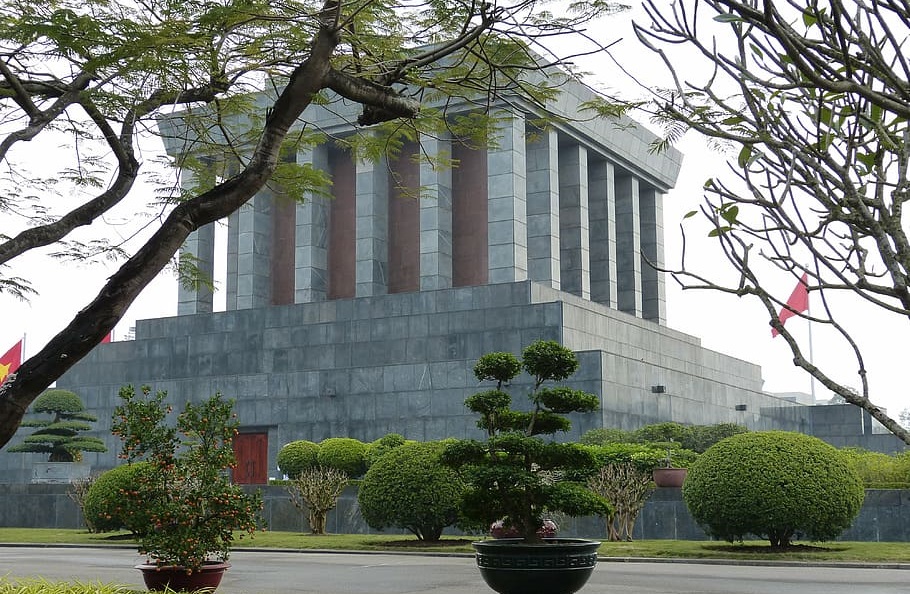
After years of meticulous construction, Ho Chi Minh Mausoleum was officially inaugurated on August 29, 1975, coinciding with the celebration of Vietnam’s victory and the reunification of the country. Since then, it has served as a revered pilgrimage site for millions of Vietnamese and international visitors, offering a solemn space for reflection on Ho Chi Minh’s enduring legacy of indenpendence, unity and social progress.
The signficance of Ho Chi Minh Mausoleum
Ho Chi Minh Mausoleum holds profound significance as a symbol of national reverence and unity in Vietnam. Dedicated to the memory of President Ho Chi Minh, the founding father and revered leader of the nation, the mausoleum stands as a testament to his enduring legacy. It symbolizes his unwavering patriotism and resilience.
This monunental structure serves as a pilgrimage site for millions of Vietnamese and international visitors alike. If offers a solemn space for reflection and homage-paying to Ho Chi Minh’s contributions to Vietnam’s history and identity.
Its construction on the hallowed grounds where Ho Chi Minh declared Vietnam’s independence in 1945 imbues the site with historical and cultural significance, emphasizing the convergence of revolutionary ideals and national identity.
Beyond its architectural grandeur, the mausoleum embodies the collective memory and reverence of the Vietnamese people towards their beloved leader.
In essence, Ho Chi Minh Mausoleum stands not only as a physical structure but also as a symbolic representation of Vietnam’s journey towards independence and social justice under the visionary leadership of President Ho Chi Minh.
Essential information for tourists visiting Ho Chi Minh Mausoleum
For the best experiences, visitors should consider the following infomation:
Opening hours
Ho Chi Minh Mausoleum is open in the morning on every Tuesday, Wednesday, Thursday, Saturday and Sunday. During the afternoon of those days and on Mondays and Fridays, visitors are unable to access the mausoleum. Should May 19, Semtember 2 or the 1st day of the Lunar New Year fall on a Monday or Friday, the mausoleum will still be open for visit.
Normally, each year, the mausoleum will be closed for about 2 months for the maintenance of Ho Chi Minh body, usually from September to November. The exact schedule will be announced by the Mausoleum Managament Board in advance.
The specific visiting hours of Ho Chi Minh Mausoleum are as follows:
- Summer and Autumn ( April 1 – Octorber 31) : Tuesday – Thursday and Saturday – Sunday: 7:30 am t0 10:30 am
- Winter and Spring ( November 1 – March 31): Tuesday – Thursday and Saturday – Sunday: 8:00 am to 11:00 am
On Saturdays, Sundays and public holidays: visiting hours are extended by 30 minutes.
If you can arrange the time in your trip, go to Ba Dinh Square to watch the flag raising and lowering ceremonies at 6 a.m and 9 p.m daily. These ceremonies will surely help bring more meanings to your trip and make you love this country even more.
Ticket Price
For Vietnamese people, entering the Mausoleum is free.
For foreign tourists, the ticket price to enter the Mausoleum is 25,000 VND.
Ho Chi Minh Mausoleum’s rules
Here are some revised regulations for tourists visiting and paying respects at the Ho Chi Minh Mausoleum:
- Dress appropriated and neatly.
- Undero security checks for your belongings at the gate.
- Follow the officers’ instructions and maintain orderly queues, avoid pushing or disrupting others.
- Hold your hat in your right hand and refrain from making loud noises or touching the walls.
- Keep your hands out of your pockets.
- Seek permission from the guarding officers before filming or taking photos.
Other must-visit places in Ho Chi Minh Mausoleum Complex
Explore the vicinity of Ho Chi Minh Mausoleum to discover other captivating sites. This is such as One Pillar Pagoda, Ho Chi Minh Museum, Presidential Palace, Ho Chi Minh’s Stilt House and Ba Dinh Square. Each of these attractions offers unique insights into Vietnam’s rich history and cultural heritage, making your vistit to the area both educational and memorable.
One Pillar Pagoda
In Hanoi, Vietnam, One Pillar Pagoda stands as a cultural gem renowned for its unique architectural design and historical significance.Constructed in 1049 during the reign of Emperor Ly Thai Tong, the pagoda stands elegantly on a single stone pillar, resembling a lotus flower emerging from the water.

This architectural marvel symbolizes purity, enlightenment, and eternal beauty of Buddhist teachings. A visit to One Pillar Pagoda offers visitors a serene and contemplative experience, allowing them to immerse themselves in the rich history and spiritual ambiance of this revered site.
>>>See more: One Pillar Pagoda: The most unique architecture in Vietnam.
Ho Chi Minh Museum
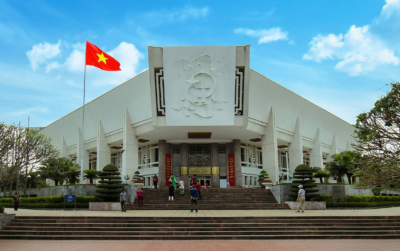
Located in Hanoi, Vietnam, Ho Chi Minh Museum is a must-visit destination for those seeking to delve into the life and legacy of President Ho Chi Minh. Besides, the museum house an extensive collection of artifacts, documents, and multimedia exhibits. Through these displays, visitors gain a comprehensive insight into Ho Chi Minh’s revolutionary journey and his profound impact on Vietnam’s history.
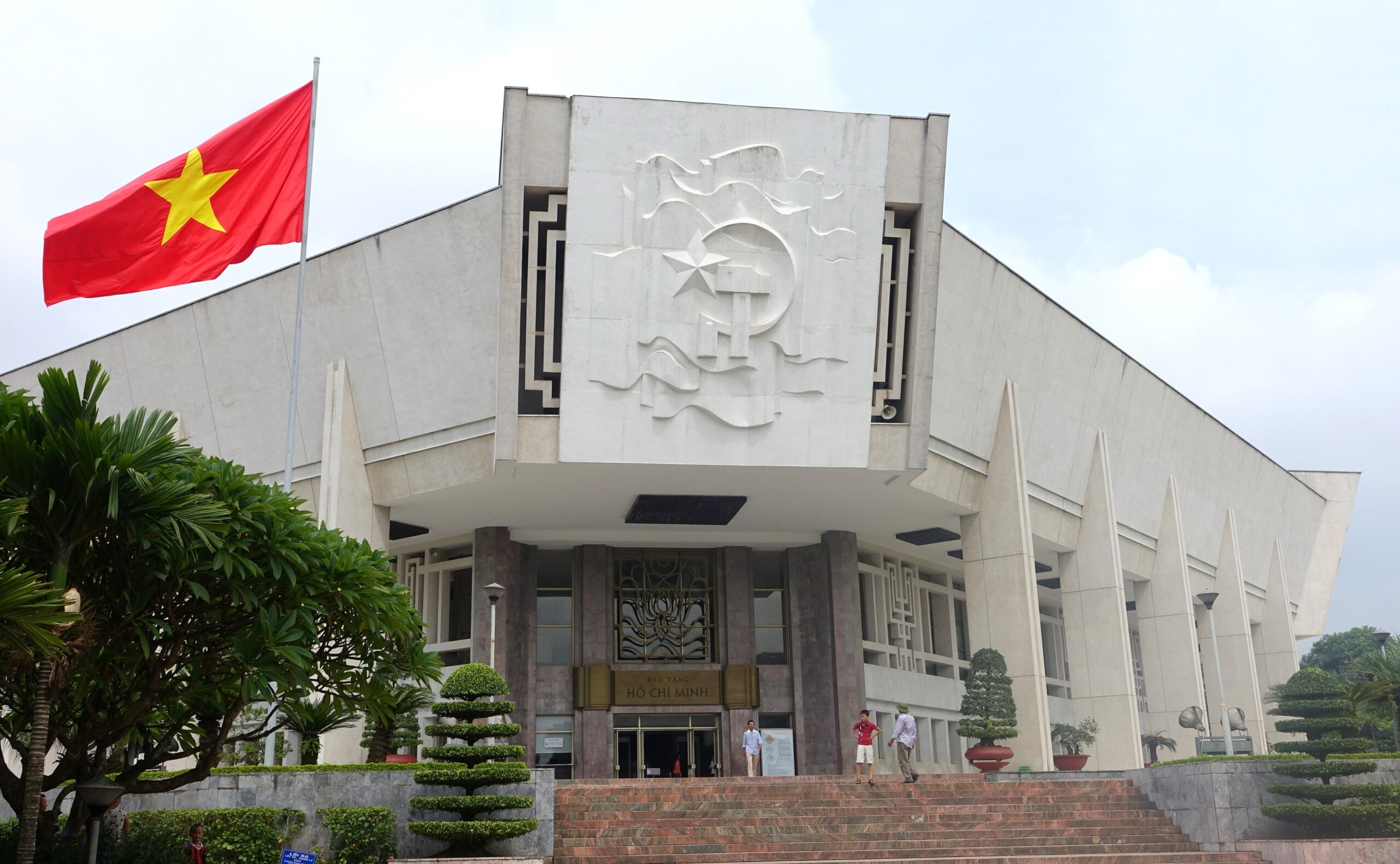
The museum offers a captivating narrative of Ho Chi Minh’s enduring legacy, spanning from his early years to his pivotal role in the struggle for independence and social progress. Visitors can immerse themselves in the rich history and cultural significance of Vietnam at the Ho Chi Minh Museum. Moreover, the spirit of this iconic leader continues to inspire generations.
Presidential Palace
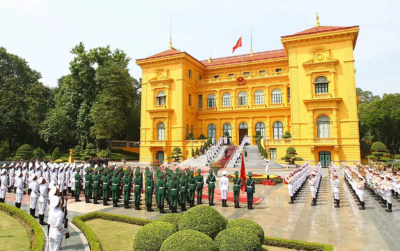
President Palace stands as a prominent cultural and political landmark in the heart of the city. With its magnificent and distinctive architecture, it serves not only as the residence of the president but also as the decision-making hub for crucial national matters.
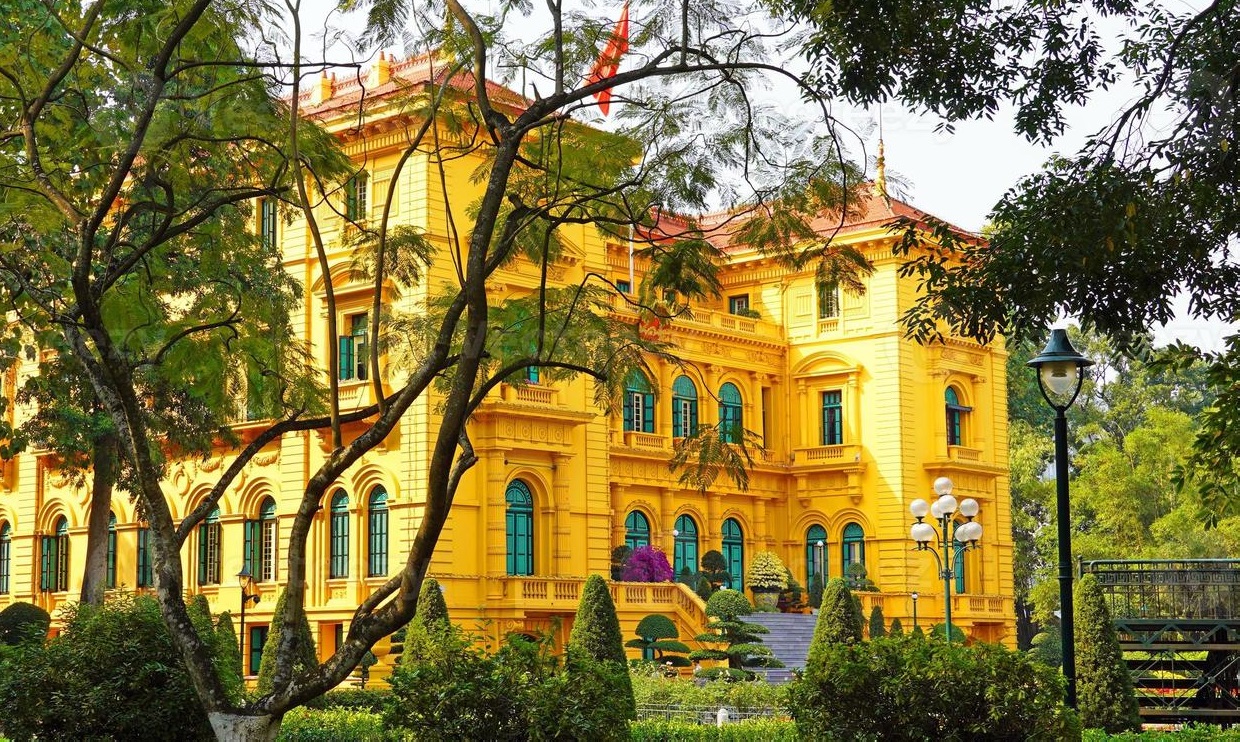
Often hailed as a symbol of power, flexibility, and national unity, President Palace is neticulously crafted with intricate details, captivating the attention of visitors and citizens alike with its beauty and imposing presence.
Ho Chi Minh Stilt House
Ho Chi Minh Stilt House, situated in Hanoi, stands as a historically significant residence. It was once the living quarters for President Ho Chi Minh, the revered revolutionary leader and founder of modern Vietname. Constructed in the traditional Vietnamese architectural style, the stilt house is raised above the ground on stilts. This architectural choice, typical in rural areas, serves to mitigate the impacts of flooding and provides a unique aesthetic characteristic to the dwelling.

This modest yet symbolic dwelling reflects Ho Chi Minh’s simple lifestyle and his close connection to the Vietnamese people. Visitors to the Stilt House can explore the various rooms and artifacts preserved within. By doing so, they gain insight into Ho Chi Minh’s life and the history of Vietnam’s struggle for independence.
>>>See more: Hanoi’s Old Quarter – Must Visit Attraction in Hanoi.
In conclusion, Ho Chi Minh Mausoleum stands as a symbol of reverence and national pride. Visitors glimpse into President Ho Chi Minh’s life and legacy, reminded of his enduring spirit of patriotism. Exploring the mausoleum and nearby attractions like Ba Dinh Square offers a deeper understanding of Vietnam’s rich history and culture. Overall, a visit here is educational and memorable, leaving a lasting impression on all who pay homage to this great leader.